

Audiences heard the first public performance of the Burns Family Flute in over 150 years at Dumfries’ historic Theatre Royal, followed by an in-depth conversation about the campaign to save the home where Auld Lang Syne was written.
The early 19th century Gerock flute, which belonged to Robert Burns’s son James Glencairn Burns, had lain silent and broken in Ellisland’s collection for decades. Thanks to support from the Pilgrim Trust via AIM (Association of Independent Museums), the instrument has been carefully restored to playable condition.
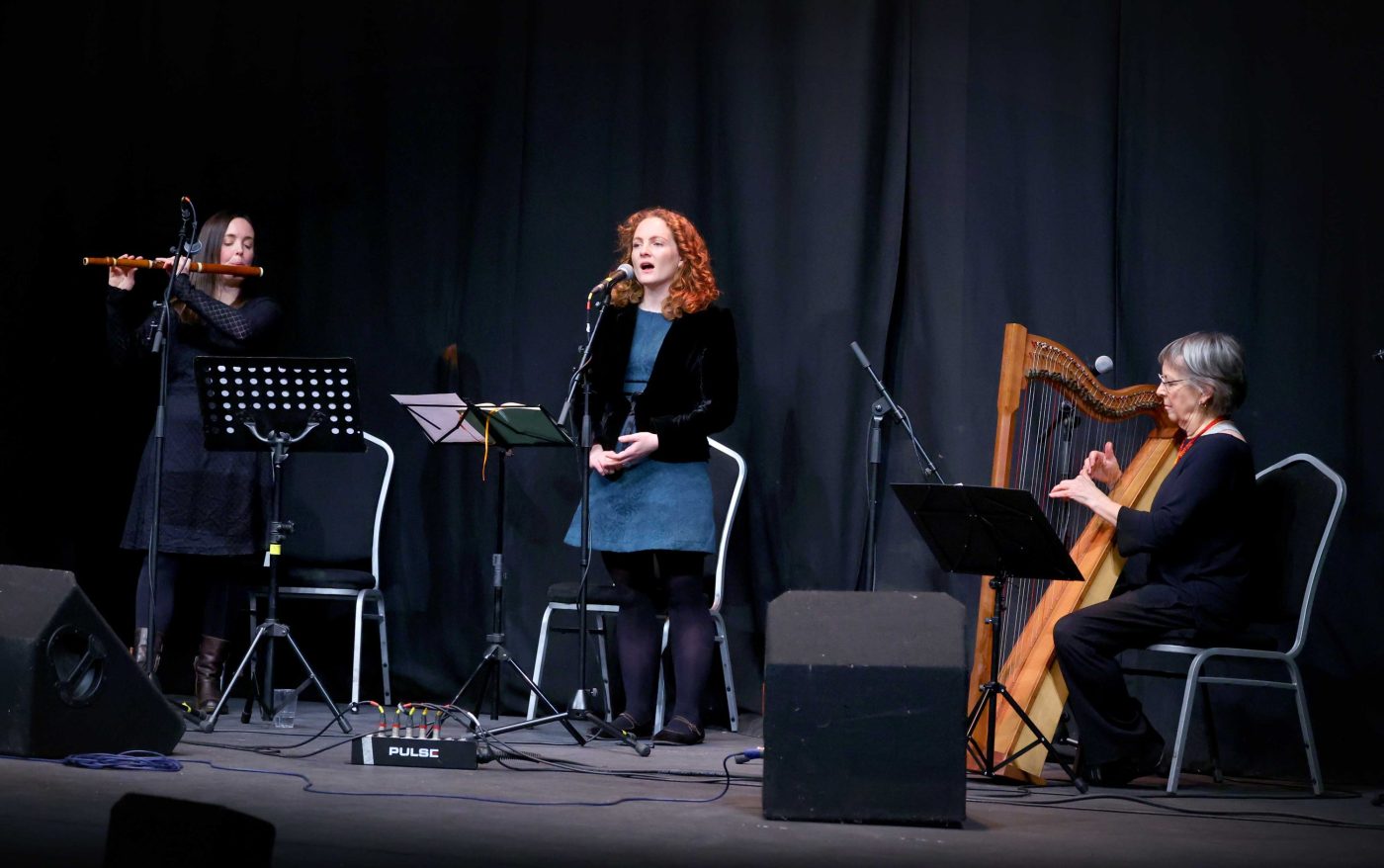
Three local musicians – flautist Claire Mann, vocalist Robyn Stapleton, and harpist Wendy Stewart – performed a programme of songs all written by Burns at Ellisland, including John Anderson, My Jo, Aye Waukin O, and Auld Lang Syne.
Claire Mann said: “It has been an extraordinary privilege to breathe music back into this flute after so many years of silence. To play an instrument that belonged to Burns’s own son, in the theatre Burns helped to create, was magical. The flute has such a beautiful, mellow tone, you can hear its age and its story in every note.”
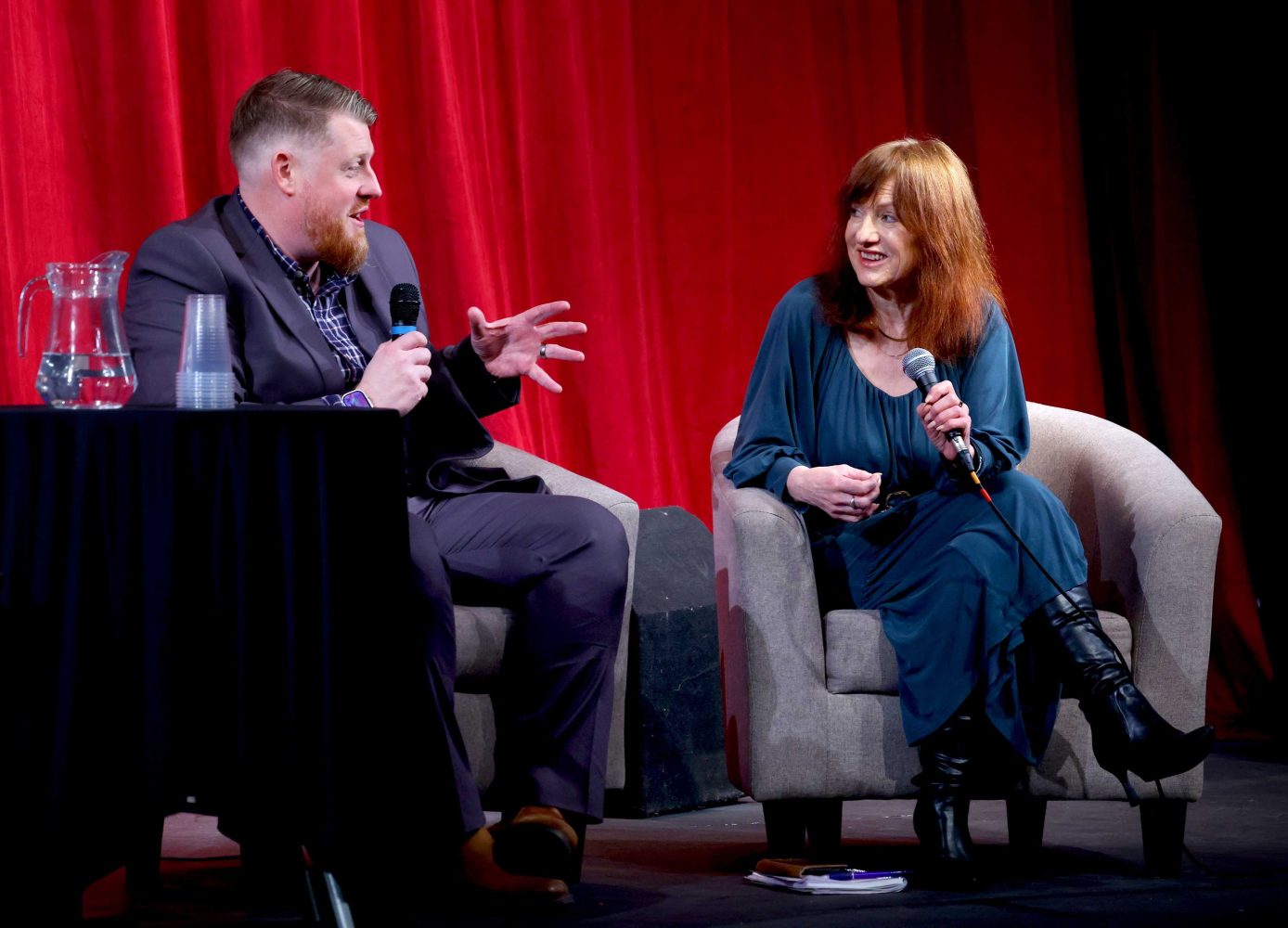
Following the performance, local broadcaster Bruce McKenzie led an “In Conversation” discussion exploring the Trust’s £12 million campaign to save Ellisland, the only home Robert Burns designed and built himself, where he wrote 130 songs and poems including Auld Lang Syne.
Adam Dickson, Project Curator at Ellisland, oversaw the restoration of the flue to playable condition. Speaking on Saturday, Adam said:
“We had to take an object that was quite tarnished and transform it into what you’re hearing today. It is very much indicative of what we aim to do as a Trust – restoring, making things accessible, engaging people. It’s all part of the same thing.”
Joan McAlpine, Project Director of the Robert Burns Ellisland Trust, explained that while the beautiful Nithsdale setting that inspired Burns remains unchanged, the Category A listed buildings themselves are under serious threat. A recent dampness survey, funded by The National Lottery Heritage Fund, revealed that without intervention, failing timber will cause the roofs to collapse.
She said: “Ellisland has been safeguarded by the Burns community of Dumfries and Galloway for decades as volunteers – it was their love that kept it preserved, but if we don’t tackle the structural issues soon we’re at risk of losing this precious place. When we save and restore Ellisland, we want to make it a magnet for living culture, so that artists and musicians can continue to be inspired by it. Our mantra is conservation through use.”
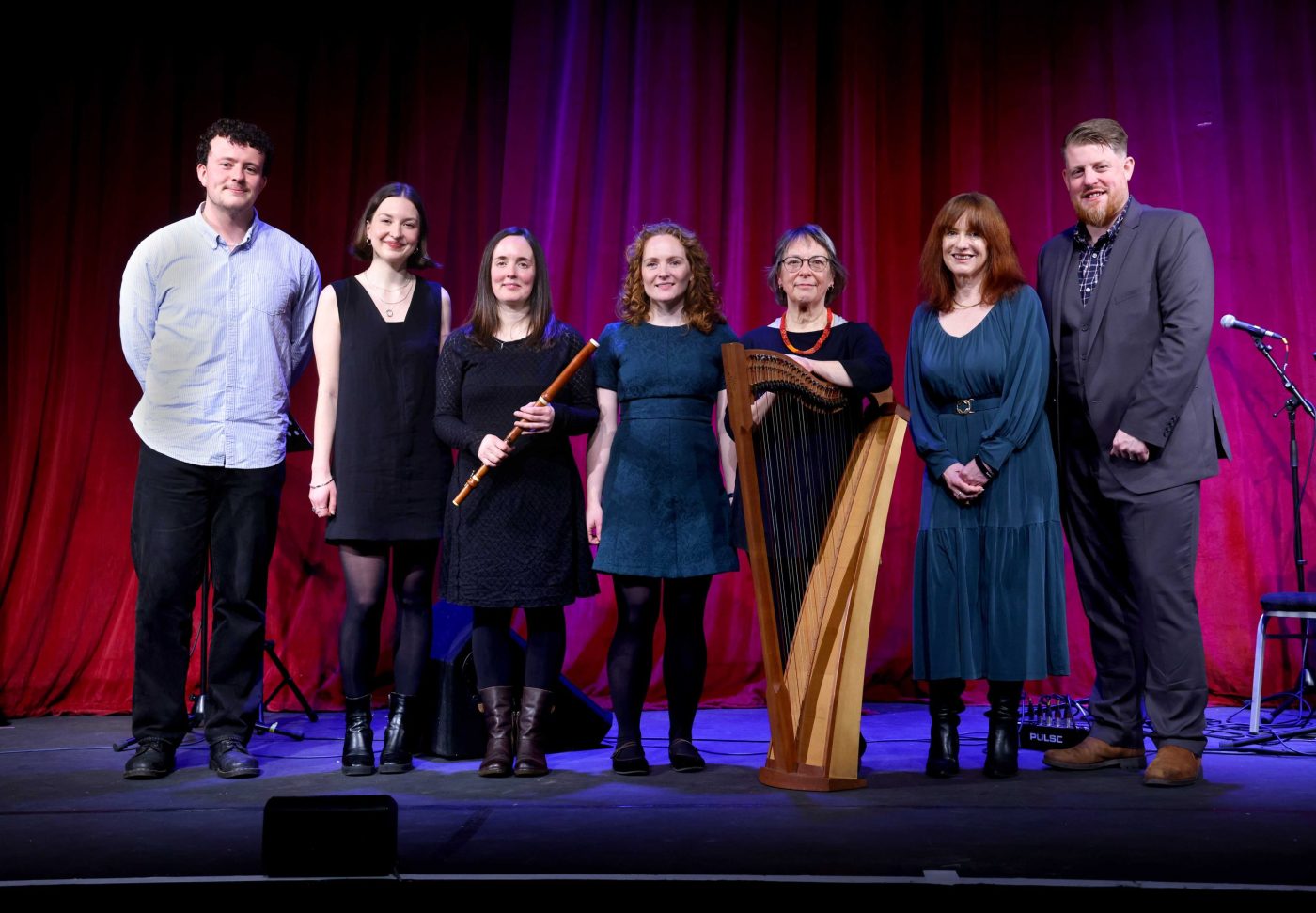
The Theatre Royal venue holds special significance as Scotland’s oldest surviving theatre. Mark Alexander, Operations Director of the Theatre Royal, explained that Robert Burns was instrumental in establishing it, writing to local worthies to champion the theatre company’s need for a permanent home. “What you’d say these days is he lent his celebrity,” said Alexander.
“We’re so delighted at what Ellisland is doing with its wonderful heritage work, because the more we work together, the more there’s a real place to come to experience Burns, attractions that will not only keep Burns going, which is important in itself, but also bring money and visitors into the town.”
The afternoon concluded with a performance of Auld Lang Syne, sung to the traditional melody that Burns himself would have known.
Anyone wishing to learn more about the campaign to save Ellisland, or to make a donation, can visit https://www.ellislandfarm.co.uk/donate/
| Made possible with thanks to Foundation Scotland/Annandale and Nithsdale Community Benefit Company. |  |